


LEARN TO RING THE BELLS
Meet people, have fun & get fit!
_large.jpg)
Here is the link to this weeks' edition of our 'Keeping in Touch' newsletter. This is our 16th edition for the fifth sunday after Trinity. There are also details on page four of the updated opening arrangements for the churches in our Benefice.
Download the Quartet
_large.jpg)
Finding out about Blue Tits by Trevor Gunton
The Blue Tit was the first bird that I can remember being shown by my mother when I was about 6 years old. They were attracted to our North Leeds garden by the remains of the Sunday joint being hung up on the clothes line! So, I have known the Blue Tit virtually all my life, but only recently have I come to realise just how little I really know about this little bird. So I decided to try to find out more.
Firstly, the BTO tell us that the Blue Tit is Britain's seventh most common bird with some 3.4 million pairs. Question? I wonder if you can work out which species are more comon in the UK (answers at the end of this article).
Our bird has a very wide range, all over Europe to Western Russia and South to the Mediterranean and the Canaries. In Britain, the Blue Tit is known to breed on Orkney or Shetland and is rare on the Outer Hebrides. I well remember meeting with the RSPB Shetland Officer at the Lodge - his first encounter with the Blue Tit had really made his day!
Turning now to our own Blue Tits. Our box has been occupied from mid March and the birds were feeding young on 24th May. So what was going on those two months? We do not have a best box camera, so we cannot say when the egg laying started. Incubation can take up to two weeks, but the female will not start sitting until the clutch is complete. The maximum number of eggs ever recorded is 17, unless you know better?
Seemingly, the normal number of eggs is between 10 and 12. Fledgling usually takes another 12 to 15 days. The birds are fed by both parents. As far as I can establish, Blue Tits are normally single brooded, a second is exceptional and only when the first early brood is lost.
Most small garden birds live very short lives, with about half of adult blue tits dying annually, with young mortality being much higher. Most young birds do not manage to see through their first winter. However, records show that some birds live a great deal longer. The oldest Blue Tit loved to the ripe old age of 11 years and 3 months - how amazing is that?!
This is a dangerous world for all young birds. Our houses and gardens are full of hazards - cats, sparrowhawks, crows and magpies and our glass window panes. However, starvation is the main cause of death, especially for young birds.
Readers with a nest cam, can I am sure, add more to our knowledge but what this all demonstrates to me is just how little we all know about our most familiar bird!
Footnote; the six most common birds in the UK are as follows: Wren, Robin, House Sparrow, Wood Pigeon, Black Bird and Chaffinch (in that order).
Principle reference: "British Tits" by Chris Perrins Naturalist Series 1979
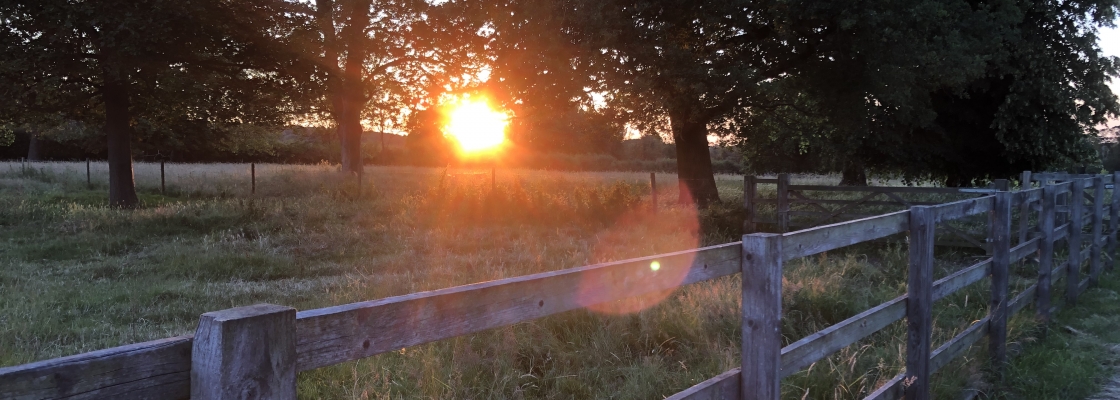
Here is YouTube link to this weeks' service for Sunday 5th July 2020; highlighting Matthew's Gospel Chapter 11 vs 28-30. Once again we wish to say a big thank you to friends who have kindly participated in the video, including Debbie McKenzie from Paxton Pits Education Centre and our wonderful Stuart McCarthy, who plays for us on the recently refurbished organ at Great Paxton:

See below for the link to our 15th Edition of our Keeping in Touch Newsletter!......for 5th July 2020. This week is the fourth Sunday follolwing Trinity. This edition also details the current opening arrangements for all four of our churches.

Here is the link to our Wednesday Worship from Mel for 1st July 2020. This is the final in her series of five parables fro Matthew's Gospel. This time we hear about how God's kingdom works through the story of a landowner who hires men throughout the day to wokr in his vineyard. Please also see below for the link to the service sheet.
Mrs Nicci Jones
Benefice Administrator
c/o The Vicarage,
24 St. James' Road,
Little Paxton,
St. Neots,
Cambs, PE19 6QW
dummy(01480) 877215
dummy admin@thepaxtonsbenefice.org
All churches in our Benefice are committed to safeguarding and promoting the welfare of children, young people and vulnerable adults and expect all those employed by and volunteering on behalf of the church to share this commitment.
Please read our policy document below:
